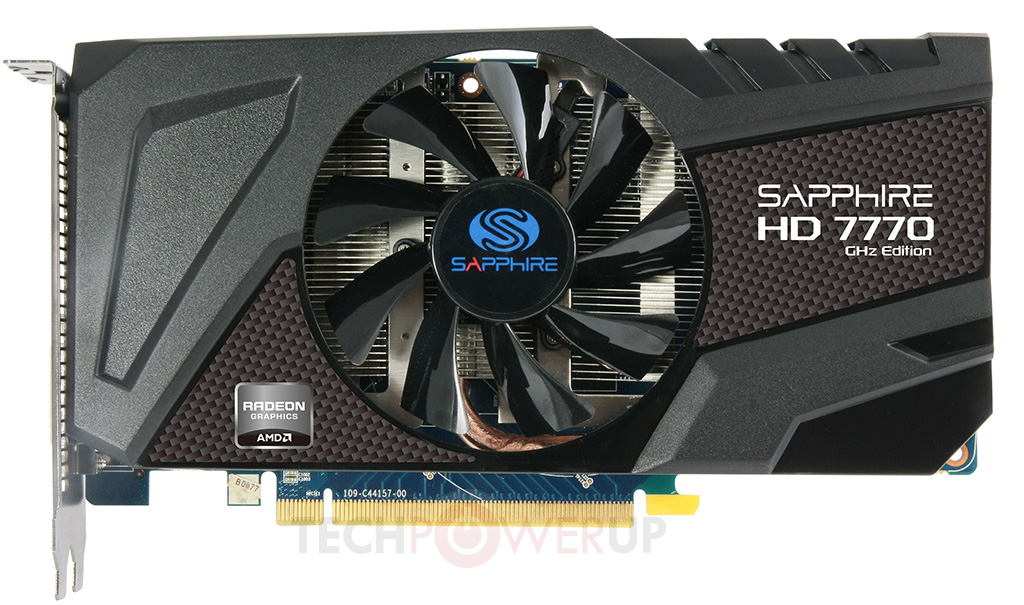
Sapphire kicked off its Radeon HD 7700 series lineup with a trio of
graphics cards, the HD 7700 OC, the Radeon HD 7700 (stock frequencies),
and a Radeon HD 7750. All three are based on Sapphire's custom designs.
The Radeon HD 7770 cards use a custom-design fan-heatsink with an AMD
reference-design PCB that's colored Sapphire's signature shade of blue;
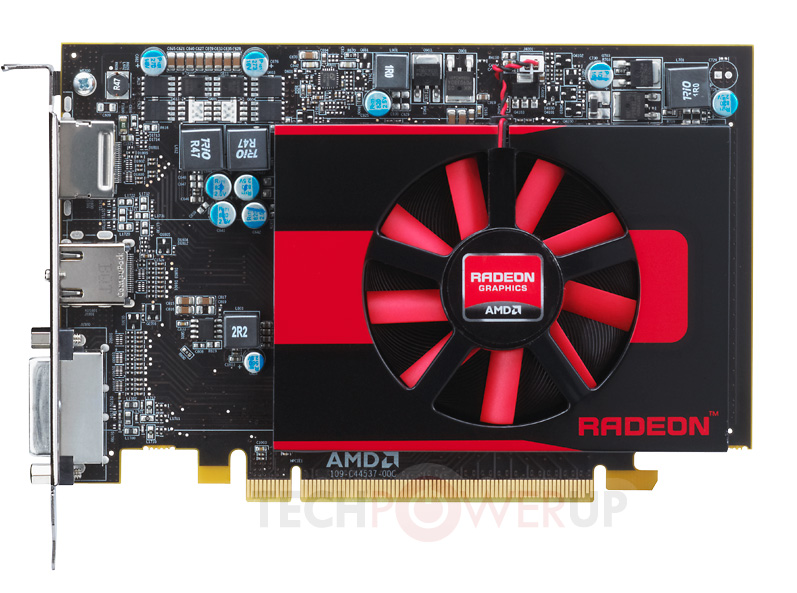
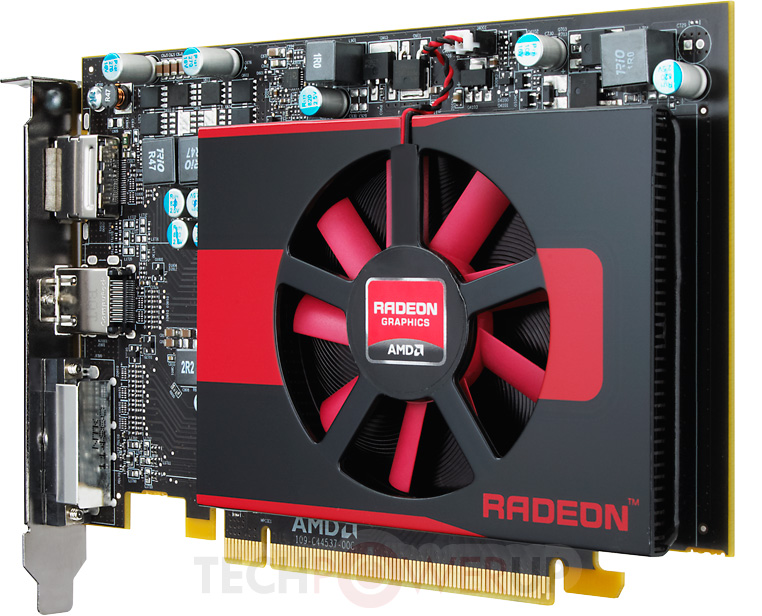
while the HD 7750 card uses a fan-heatsink originally designed by Arctic
Cooling, which Sapphire used on several mid-range cards in the past.
The HD 7770 OC features clock speeds of 1150 MHz core, and 1250 MHz
(5.00 GHz effective) memory. The stock-frequency HD 7770 sticks to AMD
reference speeds of 1000 MHz core, and 1125 MHz (4.50 GHz effective)
memory. The HD 7750 sticks to AMD reference clock speeds of 800 MHz core
and 1125 MHz (4.50 GHz effective) memory. Expect most common prices of
$159 for the HD 7770 with a small premium for the OC model, and $109 for
the HD 7750.
Source
Wednesday, February 15, 2012
MSI Announces its Radeon HD 7700 Series Products
Today the internationally renowned graphics card and mainboard maker MSI
released two new graphics cards. The R7770-2PMD1GD5/OC and
R7750-PMD1GD5/OC feature the new Radeon HD 7700 GPU based on AMD's
latest 28nm process with support for PCI Express Gen3. Core voltage
adjustment is supported by the MSI R7700 graphics card. The
R7770-2PMD1GD5/OC GPU core frequency can be overclocked by up to 32.4%
using MSI's exclusive Afterburner graphics card overclocking utility to
reach an amazing 1.35GHz*! MSI's R7700 series graphics cards also
feature a customized dual-fan thermal design that effectively reduces
the GPU operating temperature and ensures stable performance. Integrated
support for 3D video, high-quality DisplayPort 1.2 and HDMI 1.4a
outputs, along with AMD's exclusive Eyefinity multiple display output
technologies make these the perfect choice for enthusiasts.
MSI's Exclusive Afterburner Core Voltage Adjustment Technology
MSI R7770-2PMD1GD5/OC supports core voltage adjustment technology and can be overclocked by up to 32.4% using the popular Afterburner overclocking utility. The core frequency can even reach up to 1.35GHz with just air-cooling. Enthusiasts can also use the Afterburner APP on their Android / iOS handheld devices to monitor and overclock their graphics cards. Other Afterburner features include 5 configuration settings, Predator audio-video capture, and Kombustor burn-in testing to help enthusiasts optimize their graphics performance.
Dual-Fan Design for Improved Cooling
MSI R7700 graphics cards feature a dual-fan design and expanded heatsink. An air flow double that of normal, single-fan products helps with fast heat dissipation and lower temperatures. Afterburner's advanced fan speed control allows the Dual Fan solution to run at different speeds depending on the GPU temperature to give full control over the graphics card's thermal performance.
PCI Express Gen 3 Graphics and new 28nm process
MSI R7700 graphics cards support the latest PCI Express Gen 3 standard. If used with a CPU and mainboard that supports PCI Express Gen 3, this doubles the bandwidth to a staggering 32GB/s and delivers the best possible in-game performance. MSI R7700 graphics card are also equipped with a GPU based on AMD's latest 28nm process so their performance and processing power outstrips the previous generation of products based on the 40nm process as well.
Support for Next Generation Displays and AMD Eyefinity Multi-Display Technology
MSI R7700 graphics cards provide DisplayPort 1.2 and HMDI 1.4a outputs that support 3D video, 7.1 channel lossless TrueHD video, and DTS-HD audio. They also support AMD's proprietary Eyefinity multiple display technology. The support for next-generation audio & video standards makes the MSI R7700 family the best choice for professionals and gamers.
Solid Capacitors for Improved Reliability
All solid capacitors are used by MSI on the R7700 graphics card to improve durability. Due to their low temperature and high efficiency the aluminum core delivers high stability even under high loads over extended periods of time and has a service life of more than ten years.
For more product information on the R7770-2PMD1GD5/OC, please visit this page.
For more product information on the R7750-PMD1GD5/OC, please visit this page.
Source
MSI's Exclusive Afterburner Core Voltage Adjustment Technology
MSI R7770-2PMD1GD5/OC supports core voltage adjustment technology and can be overclocked by up to 32.4% using the popular Afterburner overclocking utility. The core frequency can even reach up to 1.35GHz with just air-cooling. Enthusiasts can also use the Afterburner APP on their Android / iOS handheld devices to monitor and overclock their graphics cards. Other Afterburner features include 5 configuration settings, Predator audio-video capture, and Kombustor burn-in testing to help enthusiasts optimize their graphics performance.
Dual-Fan Design for Improved Cooling
MSI R7700 graphics cards feature a dual-fan design and expanded heatsink. An air flow double that of normal, single-fan products helps with fast heat dissipation and lower temperatures. Afterburner's advanced fan speed control allows the Dual Fan solution to run at different speeds depending on the GPU temperature to give full control over the graphics card's thermal performance.
PCI Express Gen 3 Graphics and new 28nm process
MSI R7700 graphics cards support the latest PCI Express Gen 3 standard. If used with a CPU and mainboard that supports PCI Express Gen 3, this doubles the bandwidth to a staggering 32GB/s and delivers the best possible in-game performance. MSI R7700 graphics card are also equipped with a GPU based on AMD's latest 28nm process so their performance and processing power outstrips the previous generation of products based on the 40nm process as well.
Support for Next Generation Displays and AMD Eyefinity Multi-Display Technology
MSI R7700 graphics cards provide DisplayPort 1.2 and HMDI 1.4a outputs that support 3D video, 7.1 channel lossless TrueHD video, and DTS-HD audio. They also support AMD's proprietary Eyefinity multiple display technology. The support for next-generation audio & video standards makes the MSI R7700 family the best choice for professionals and gamers.
Solid Capacitors for Improved Reliability
All solid capacitors are used by MSI on the R7700 graphics card to improve durability. Due to their low temperature and high efficiency the aluminum core delivers high stability even under high loads over extended periods of time and has a service life of more than ten years.
For more product information on the R7770-2PMD1GD5/OC, please visit this page.
For more product information on the R7750-PMD1GD5/OC, please visit this page.
Source
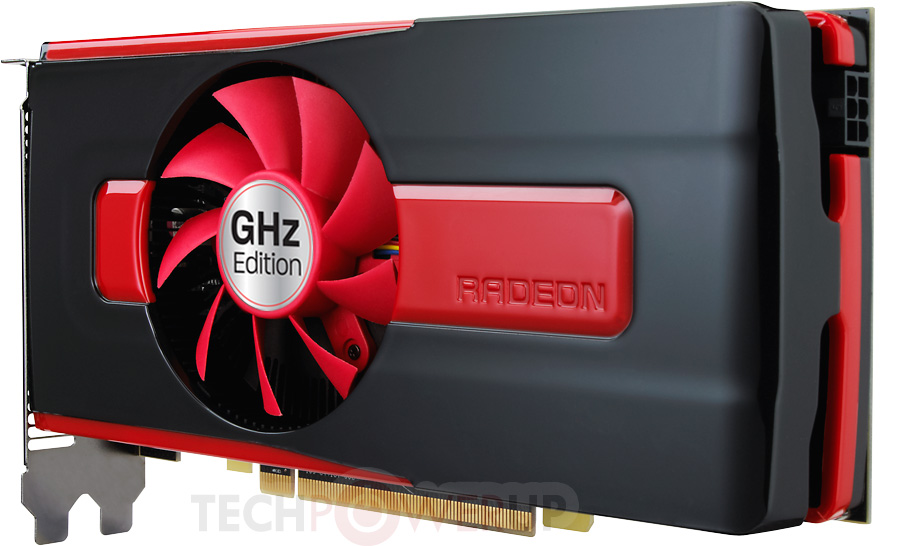
AMD Launches the Radeon HD 7700 Series
AMD has just launched the new Radeon HD 7700 series, in a bid to cement
its competitiveness in the sub-$200 market-segment. The Radeon HD 7700
series, according to AMD, is designed to offer "the world's most
advanced graphics for everyone." The series is based around a new ASIC
built on the 28 nm fab process, codenamed "Cape Verde". The new chip
takes advantage of the Graphics CoreNext architecture, and features 10
GCN compute units, amounting to 640 stream processors; 40 TMUs, and 16
ROPs; and a 128-bit wide GDDR5 memory interface.
The Radeon HD 7770 has all components on the chip enabled, and features clock speeds of 1000 MHz core, and 1125 MHz (4.50 GHz GDDR5 effective) memory, yielding 72 GB/s memory bandwidth. This card draws power from a 6-pin PCIe power connecor. The Radeon HD 7750, on the other hand, features 512 stream processors, and 32 TMUs. The rest of the specifications are identical to the HD 7770, except core clock speed: 800 MHz. The Radeon HD 7770 is priced at US $159, while the HD 7750 is available as low as $109.
Source
The Radeon HD 7770 has all components on the chip enabled, and features clock speeds of 1000 MHz core, and 1125 MHz (4.50 GHz GDDR5 effective) memory, yielding 72 GB/s memory bandwidth. This card draws power from a 6-pin PCIe power connecor. The Radeon HD 7750, on the other hand, features 512 stream processors, and 32 TMUs. The rest of the specifications are identical to the HD 7770, except core clock speed: 800 MHz. The Radeon HD 7770 is priced at US $159, while the HD 7750 is available as low as $109.
Source
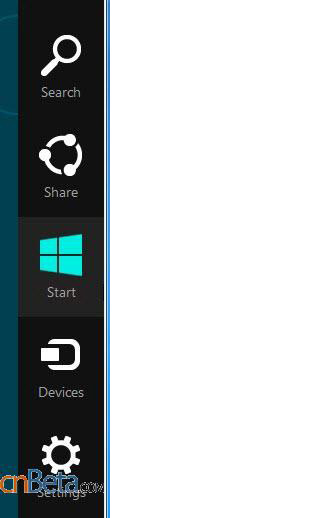
Windows Flag Logo Gets a Facelift, Not A Flag Anymore
The waving flag logo of Microsoft's Windows trademark has reportedly
undergone a facelift to keep up with the radically new user interface
called "Metro". The new logo will take effect with the next major
version of Windows. Metro is Microsoft's most drastic user interface
change since Windows 95, and consists of organizing interactive
information (smart application shortcuts, gadgets, images, and
slideshows), in rectangular slices of the screen-space. The Windows flag
logo is redesigned to reflect this change, it's now flat, angled, with
all four rectangles in the same plane. CNBeta scored a 1-color version
of the logo, and made mock-ups of what it could look like on devices
(such as tablets and keyboards).
Source: CNBeta
Source: CNBeta
Tuesday, February 14, 2012
LG D2500N-PN Glasses-Free 3D Monitor Shipping This Month
LG Electronics has today announced the release (in Japan at least) of
its D2500N-PN 25-inch monitor offering glasses-free 3D (TriDef software
needs to be installed to enable 3D). LG's 3D display makes use of a TN
panel, comes with a built-in webcam (which tracks the user’s head
movement to optimize the 3D experience), and features a native
resolution of 1920 x 1080 pixels, a 5 ms response time, a 1,000:1
contrast ratio (5,000,000:1 DCR), and 250 cd/m2 maximum brightness.
The D2500N-PN includes DVI and HDMI connectors and is expected to become available at the end of this month priced at about 150,000 yen (~ $1,923).
Source: PC Watch
The D2500N-PN includes DVI and HDMI connectors and is expected to become available at the end of this month priced at about 150,000 yen (~ $1,923).
Source: PC Watch
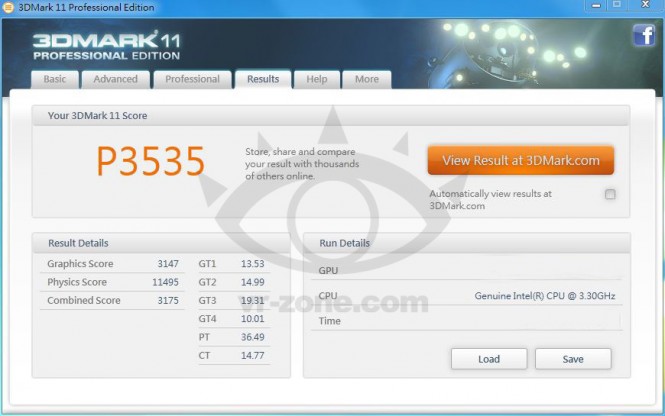
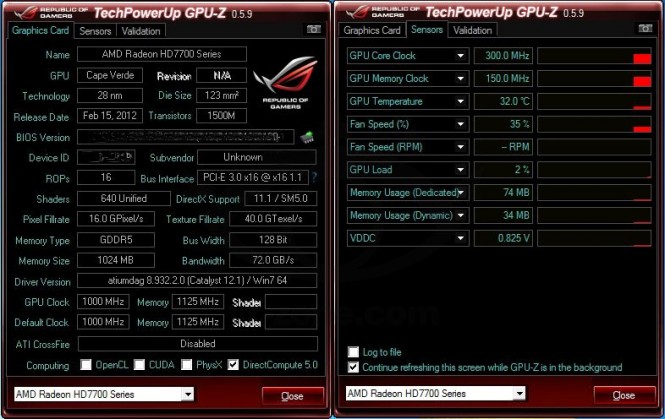
Radeon HD 7770 Put Through 3DMark 11
AMD's Radeon HD 7770 mid-range graphics card, which is slated for a
little later this month, got its first public shot at 3DMark 11. The
card was put through the Performance preset of the benchmark, where it
scored P3535 points. The bench was probably driven by an Intel Core
i5-2500 processor. The reviewer also took GPU-Z screenshots of this
card, revealing low core temperature. Based on the 28 nm Cape Verde GPU,
the HD 7700 is said to have 640 Graphics CoreNext stream processors,
and 1 GB of memory over a 128-bit wide GDDR5 memory interface. It is
designed for sub-$200 price points.
Source: VR-Zone
Source: VR-Zone
Google to Buy Motorola Mobility
Today Fox Business is reporting U.S. and European regulators approved
Google Inc's $12.5 billion purchase of Motorola Mobility on Monday and
said they would keep a sharp eye on the web search giant to ensure
patents critical to the telecom industry would be licensed at fair
prices. The U.S. Justice Department also approved an Apple Inc -led
consortium's purchase of a trove of patents from bankrupt Canadian
company Nortel Networks.Both the Justice Department and European
antitrust authorities said that they would monitor how patents are used
to ensure they comply with antitrust rules. Antitrust enforcers on both
sides of the Atlantic are concerned that patents essential to ensuring
communications devices sold by different companies work together are
licensed for a reasonable fee.
"The (Justice Department's antitrust) division will not hesitate to take appropriate enforcement action to stop any anticompetitive use of SEP (standard essential patent) rights," the department said in a statement. Google, whose Android software is the top operating system for Internet-enabled smart phones, said in August that it would buy phone-maker Motorola for its 17,000 patents and 7,500 patent applications, as it looks to compete with rivals such as Apple and defend itself and Android manufacturers in patent litigations.
The deal will give Google one of the mobile phone industry's largest patent libraries, as well as hardware manufacturing operations that will allow Google to develop its own line of smart phones.Google, the newest major entrant to the mobile market, is already being sued for patent infringement by Oracle Corp , which is seeking up to $6 billion.
The legal battles over patents between various technology and smartphone firms has prompted the European Commission to open an investigation into legal tactics used by Samsung Electronics against Apple and whether these breach EU antitrust rules.
Google's move to buy Motorola Mobility came shortly after it tried and failed to buy Nortel's patents. The winner was an Apple-led consortium, which includes Research in Motion Ltd, Microsoft Corp, EMC Corp, Ericsson and Sony Corp, which agreed in July to pay $4.5 billion for 6,000 patents and patent applications.
Source: Fox Business
"The (Justice Department's antitrust) division will not hesitate to take appropriate enforcement action to stop any anticompetitive use of SEP (standard essential patent) rights," the department said in a statement. Google, whose Android software is the top operating system for Internet-enabled smart phones, said in August that it would buy phone-maker Motorola for its 17,000 patents and 7,500 patent applications, as it looks to compete with rivals such as Apple and defend itself and Android manufacturers in patent litigations.
The deal will give Google one of the mobile phone industry's largest patent libraries, as well as hardware manufacturing operations that will allow Google to develop its own line of smart phones.Google, the newest major entrant to the mobile market, is already being sued for patent infringement by Oracle Corp , which is seeking up to $6 billion.
The legal battles over patents between various technology and smartphone firms has prompted the European Commission to open an investigation into legal tactics used by Samsung Electronics against Apple and whether these breach EU antitrust rules.
Google's move to buy Motorola Mobility came shortly after it tried and failed to buy Nortel's patents. The winner was an Apple-led consortium, which includes Research in Motion Ltd, Microsoft Corp, EMC Corp, Ericsson and Sony Corp, which agreed in July to pay $4.5 billion for 6,000 patents and patent applications.
Source: Fox Business
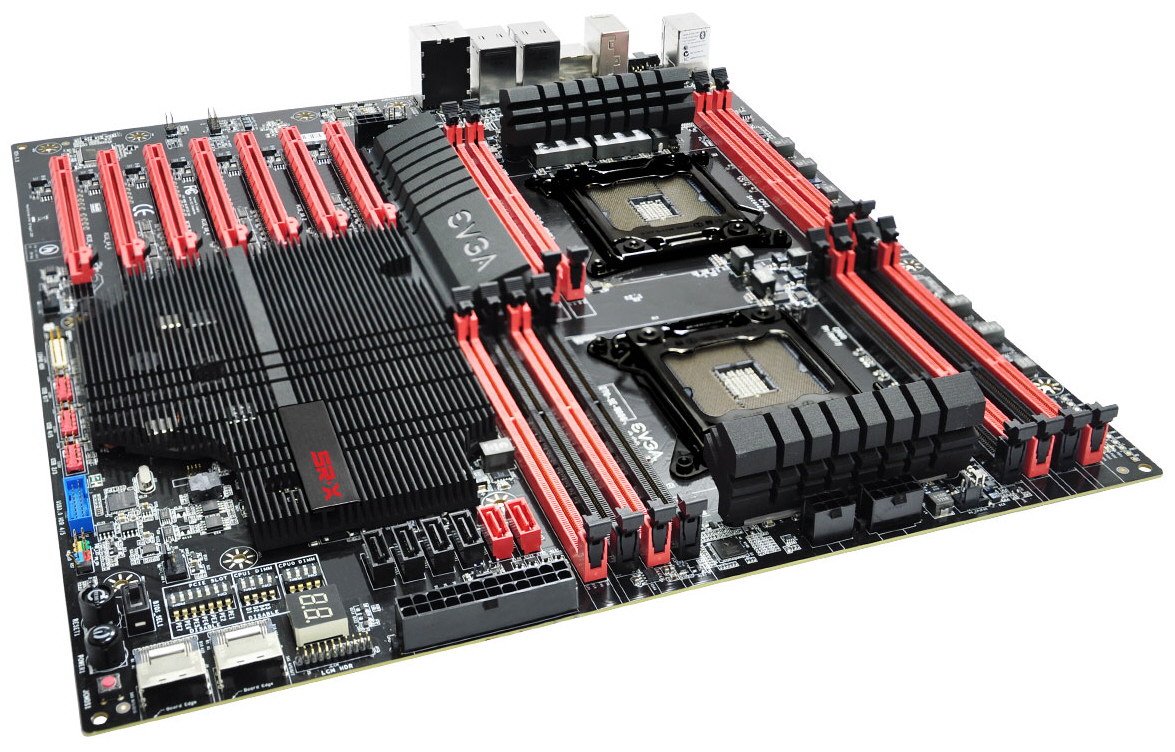
EVGA SR-X Dual-Socket LGA 2011 Motherboard Teased Some More
Wondering what's going on with EVGA's SR-X motherboard? Well the board
still isn't ready for release but EVGA has made progress on it, as is
confirmed by a new image provided by the US-based company. This photo
showcases the SR-X in a near final stage, equipped with an updated
cooling solution made up of four heatsinks (covering VRM areas and
chipsets).
As previously reported, the SR-X comes with two LGA 2011 sockets (it supports Sandy Bridge-E CPUs for single-processor setups and Sandy Bridge-EP CPUs for dual-chip configurations), 12 DDR3 memory slots (up to 96 GB of RAM are supported), two (one 8-pin and one 6-pin) power connectors per CPU, six SATA and four SAS (Serial Attached SCSI) ports, seven PCI-Express 3.0 x16 slots (SLI and CrossFireX support is included), PCIe disable switches, voltage read points, a debug LED, dual Gigabit Ethernet, two eSATA ports, 7.1 channel audio, Bluetooth, EVBot support, and six USB 3.0 connectors (four on the back plate, two via a header).
EVGA is promising more details about the SR-X (a price tag and an availability date maybe) 'soon'.
Source: Twitpic
As previously reported, the SR-X comes with two LGA 2011 sockets (it supports Sandy Bridge-E CPUs for single-processor setups and Sandy Bridge-EP CPUs for dual-chip configurations), 12 DDR3 memory slots (up to 96 GB of RAM are supported), two (one 8-pin and one 6-pin) power connectors per CPU, six SATA and four SAS (Serial Attached SCSI) ports, seven PCI-Express 3.0 x16 slots (SLI and CrossFireX support is included), PCIe disable switches, voltage read points, a debug LED, dual Gigabit Ethernet, two eSATA ports, 7.1 channel audio, Bluetooth, EVBot support, and six USB 3.0 connectors (four on the back plate, two via a header).
EVGA is promising more details about the SR-X (a price tag and an availability date maybe) 'soon'.
Source: Twitpic
Apple Launches New Attack on Samsung Phones
Apple seems to have a revolving door for legal actions as of late. Today
the Chicago Tribune is reporting Apple has asked a federal court in
California to block Samsung from selling its new Galaxy Nexus
smartphones, which use Google's newest version of Android, called Ice
Cream Sandwich, alleging four patent violations including new features
such as a voice-command search function.
Galaxy Nexus, the official debut of which was delayed by Samsung in October to pay respect to Apple's co-founder Steve Jobs, is the first phone running on the newest Android version before the platform is widely adopted by hardware manufacturers such as HTC Corp and Motorola Mobility. HTC and Motorola are also in separate patent disputes with Apple. In a lawsuit filed last week in San Jose, Apple said the Galaxy Nexus infringes on patents underlying features customers expect from Apple products. Those include the ability to unlock phones by sliding an image and to search for information by voice.
"Google cannot deny its undivided responsibility for any infringement findings. A preliminary injunction would not prohibit the sale of a Galaxy nexus just because it's called Galaxy Nexus or looks like one: it's all about which patents it infringes on," said independent patent expert Florian Meuller. "I am absolutely certain that...for the preliminary injunction motion the Galaxy Nexus was singled out because it's so new, and important."
Samsung said in a statement on Monday that it is aware of the filing by Apple in the California court. "We continue to assert our intellectual property rights and defend against Apple's claims to ensure our continued innovation and growth in the mobile communications business," Samsung said in a statement.
With the new lawsuit, Apple is opening up another legal assault on the South Korea-based company after taking Samsung to the same court in April of last year. In the earlier case, Apple alleged that Samsung illegally copied iPhone and iPad design features and the look of its screen icons. That case is still going on, although in December Apple lost a bid for a preliminary bar against Samsung for selling Galaxy phones and tablets.
Apple acknowledged the setback in the new action and said now it is suing over new products and different patents. In addition to the California cases, Apple and Samsung are waging more than 20 legal fights in at least 10 countries in their war for global leadership of smartphone and tablet markets.
Source: Chicago Tribune
Galaxy Nexus, the official debut of which was delayed by Samsung in October to pay respect to Apple's co-founder Steve Jobs, is the first phone running on the newest Android version before the platform is widely adopted by hardware manufacturers such as HTC Corp and Motorola Mobility. HTC and Motorola are also in separate patent disputes with Apple. In a lawsuit filed last week in San Jose, Apple said the Galaxy Nexus infringes on patents underlying features customers expect from Apple products. Those include the ability to unlock phones by sliding an image and to search for information by voice.
"Google cannot deny its undivided responsibility for any infringement findings. A preliminary injunction would not prohibit the sale of a Galaxy nexus just because it's called Galaxy Nexus or looks like one: it's all about which patents it infringes on," said independent patent expert Florian Meuller. "I am absolutely certain that...for the preliminary injunction motion the Galaxy Nexus was singled out because it's so new, and important."
Samsung said in a statement on Monday that it is aware of the filing by Apple in the California court. "We continue to assert our intellectual property rights and defend against Apple's claims to ensure our continued innovation and growth in the mobile communications business," Samsung said in a statement.
With the new lawsuit, Apple is opening up another legal assault on the South Korea-based company after taking Samsung to the same court in April of last year. In the earlier case, Apple alleged that Samsung illegally copied iPhone and iPad design features and the look of its screen icons. That case is still going on, although in December Apple lost a bid for a preliminary bar against Samsung for selling Galaxy phones and tablets.
Apple acknowledged the setback in the new action and said now it is suing over new products and different patents. In addition to the California cases, Apple and Samsung are waging more than 20 legal fights in at least 10 countries in their war for global leadership of smartphone and tablet markets.
Source: Chicago Tribune
Apple On Track for Trillion Dollar Valuation
Today Apple announced its market value to be $500 billion dollars after a
massive stock surge Monday. The tech giant’s valuation is now nearly
halfway to the 10-figure mark, with speculation Apple will launch iTV
later this year driving shares to new record highs. Yet, Apple still has
a way to go to become the most valuable company of all time. If Apple
shares continue to hit new record levels, its market cap will reach $500
billion when the price reaches $537.
Still, shares will need to rise another $100 above that level to put Apple in contention for the most expensive company ever. According to Standard and Poor’s, ExxonMobil was the most recent company to see a valuation north of $500 billion, back in 2007 when oil prices were at record highs. While Microsoft may not excite investors like it did in Y2K, the software behemoth still holds the record for the most expensive valuation. Its market cap closed out 1999 at just over $600 billion according to Standard and Poor’s, before peaking north of $650 billion during the tech bubble in 2000. The high analyst price target on the street for Apple right now is $700. At that price, its market cap will handily surpass Microsoft’s Y2K record.
Time will tell if Apple will reach the trillion dollar mark.
Source: CNBC
Still, shares will need to rise another $100 above that level to put Apple in contention for the most expensive company ever. According to Standard and Poor’s, ExxonMobil was the most recent company to see a valuation north of $500 billion, back in 2007 when oil prices were at record highs. While Microsoft may not excite investors like it did in Y2K, the software behemoth still holds the record for the most expensive valuation. Its market cap closed out 1999 at just over $600 billion according to Standard and Poor’s, before peaking north of $650 billion during the tech bubble in 2000. The high analyst price target on the street for Apple right now is $700. At that price, its market cap will handily surpass Microsoft’s Y2K record.
Time will tell if Apple will reach the trillion dollar mark.
Source: CNBC
Subscribe to:
Posts (Atom)